
Billing that is accurate and timely guarantees that patients are charged properly for the services provided and that insurance claims are submitted on time. Billing mistakes or inaccuracies can result in delayed payments, refused claims, and revenue loss. Choose medical billing software that meets the needs of doctor’s offices like yours. Your practice can ensure timely payments and reduce administrative costs.
- Our detailed brochure provides insights into how Remote Books Online can help you maintain accurate bookkeeping, stay tax-ready, and make informed financial decisions.
- When you started your medical practice, you likely took on far more responsibility than you imagined.
- In other words, you record income on your books when you provide services to patients, regardless of when the insurance company or other third party pays your invoice.
- We put together this guide to help you gain a strategic advantage in bookkeeping for doctors’ offices.
Services

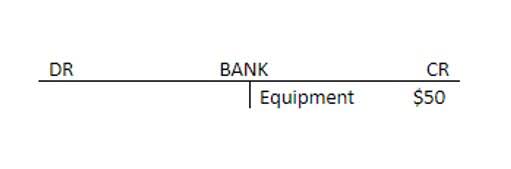
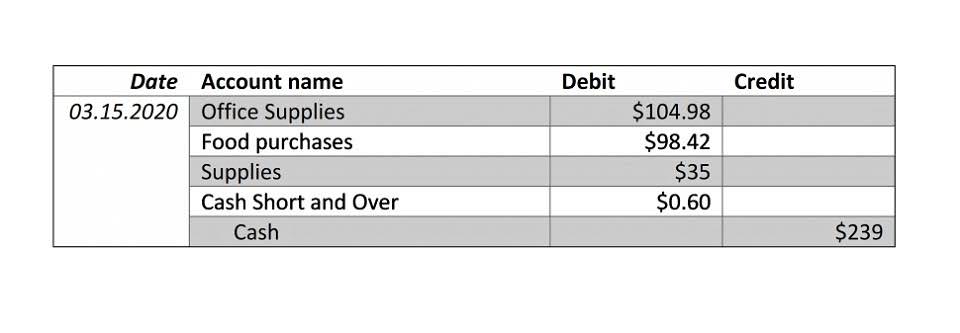
Here’s everything you need to know about bookkeeping for medical practices. Technology may be the resource you need to ensure a potentially complex process does not result in missed opportunities or lost revenue. By avoiding these common pitfalls, you can maintain a robust bookkeeping system that supports your medical practice’s overall financial health. It ensures that every financial activity is logged in two different accounts. This method helps keep the financial records balanced and free from discrepancies, like noting the debit in an expense account and the credit in a cash https://safalconry.co.za/list-of-top-auto-dealer-accounting-software-aug/ account when a bill is paid. Medical practices have specific tax requirements, such as deductions for medical equipment, office rent, and staff wages.
The basics of accounting for medical practices
Discover necessary Bookkeeping for Medical Practices that can streamline your processes and boost your financial health. In the world of healthcare, accurate and efficient bookkeeping is essential for maintaining financial health and ensuring compliance with complex regulations. The unique aspects of bookkeeping for medical practices, including patient billing, insurance claims, and compliance requirements, demand a specialized approach.
Bookkeeping for Medical Practices: 5 Tips for Success

Detailed ledgers are maintained, including the general ledger for overall activity, accounts receivable ledger, and accounts payable ledger. Bookkeeping systems in medical environments must be updated continuously. Daily entries include contra asset account patient payments, insurance reimbursements, third-party claims, vendor invoices, and payroll events. Each transaction must be posted to the appropriate category in the ledger, with consistent formatting across platforms.
Choose software that can accommodate the growth of your healthcare business. It should be able to handle the transaction volume and additional users as your practice expands. In addition to working with a skilled medical billing team to speed up collections, work with your accountant or bookkeeper to prepare cash flow forecasts. This will help you spot potential cash shortages before they happen so you can make a plan to trim expenses, ramp up collections, or tap a business line of credit.

However, bookkeeping in the medical office isn’t something you want to overlook. Using credit and payment terms to manage cash flow can be another savvy financial procedure to incorporate. For example, if the bill has a net 45 payment term, you can prioritize time-sensitive expenses like payroll and rent and schedule the payment of that bill until closer to the end of the 45 days. Medical practices often struggle with managing accounts payable, such as missing payment schedules for critical supplies or overpaying due to duplicate invoices. Veteran managers prioritize software that integrates cleanly with EHR, billing, and scheduling platforms. They know when performing bookkeeping procedures for a medical office, it is important to that disconnected systems lead to errors, duplicate data entry, and staff frustration.
Ensure Accuracy in Medical Billing
- Electronic health record (EHR) systems, billing software, and expense tracking tools can improve efficiency.
- Another option to monitor this information is a monthly budget to actual report.
- Charts should be reviewed quarterly to ensure they reflect the office’s evolving service mix and vendor relationships.
- Immediate recording helps maintain a clear overview of your medical practice’s economic status and prevents lost invoices or delayed reimbursements that can disrupt your cash flow.
- The world of bookkeeping for doctors and medical practices is rapidly changing.
Medical bookkeeping is more than just keeping the books—it’s about empowering healthcare organizations to serve their communities effectively, remain financially strong, and comply with complex regulations. Whether you’re managing a small clinic or aiming to become a certified medical bookkeeper, the tools and practices outlined in this guide provide a solid foundation for success. QuickBooks and Xero are two well-known solutions in the area of bookkeeping software. Another essential component of medical practice bookkeeping is billing and reimbursement.
Ready-to-use templates for managing bookkeeping, financial reporting, and tax filing. Put another way, whether or not a patient is satisfied with a particular healthcare provider can impact his or her treatment outcome. It can also be a deciding factor in whether to file a claim against the company if things don’t turn out as expected. If you’re not keeping accurate track of your monies coming in versus your monies going out, causing your gas or electric company to stop your service, patients aren’t going to be happy.